
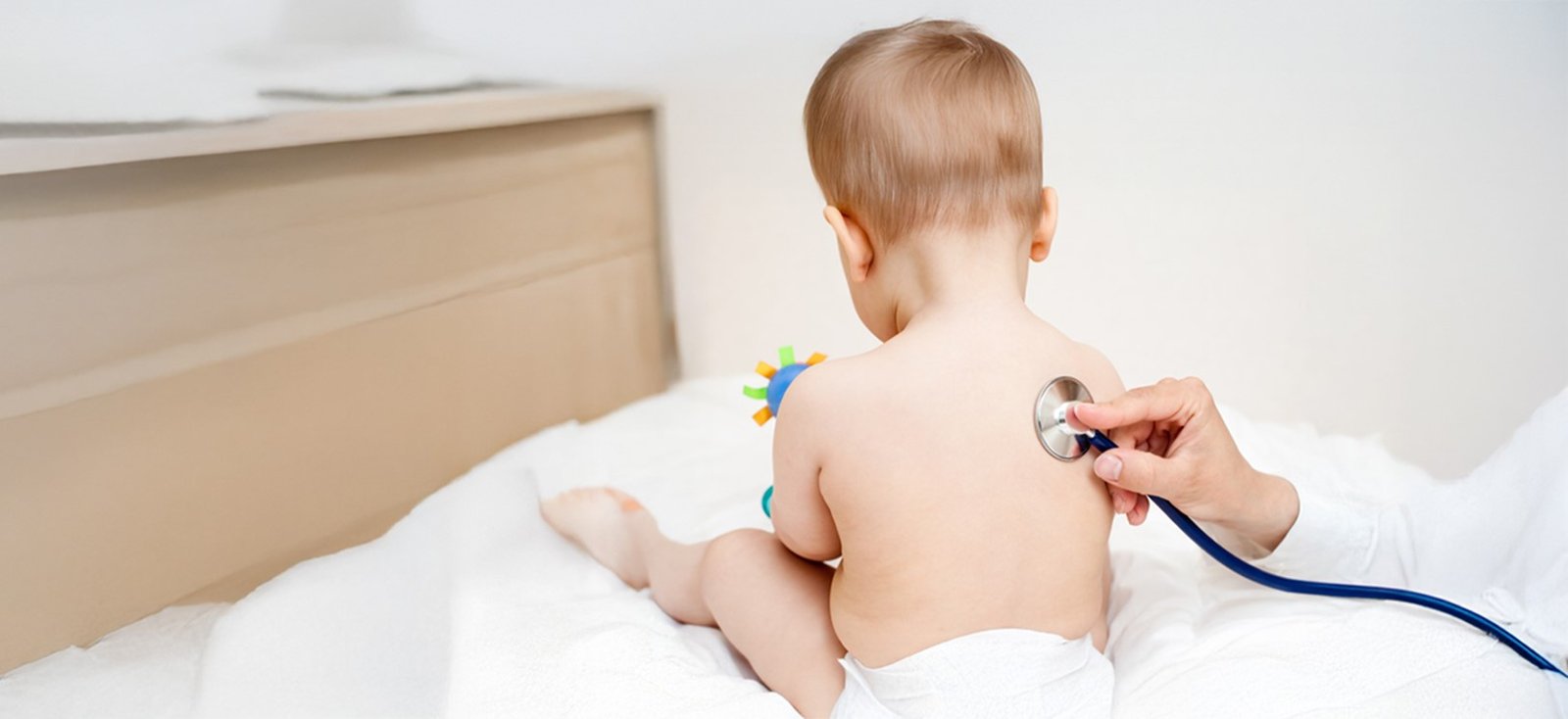
Children often experience minor illnesses as their immune systems develop. While most conditions are mild and manageable at home, some symptoms require prompt medical attention. Understanding the difference can help parents respond calmly and confidently.
In this guide, we explain common childhood illnesses and when you should consult a pediatrician.
1. Common Cold and Cough
The common cold is one of the most frequent childhood illnesses. Symptoms include a runny nose, mild fever, sneezing, sore throat, and cough.
When to see a doctor:
- Fever above 102°F
- Persistent cough lasting more than 7–10 days
- Difficulty breathing or wheezing
- Refusal to eat or drink
Most colds improve within a week with rest, fluids, and proper care.
2. Fever
Fever is usually a sign that the body is fighting an infection. It can occur due to viral or bacterial illnesses.
When to see a doctor:
- Fever in babies under 3 months
- Fever lasting more than 3 days
- Seizures with fever
- The child appears unusually drowsy or irritable
Timely medical evaluation ensures proper diagnosis and treatment.
3. Diarrhea and Vomiting
Stomach infections are common in children and are often caused by viruses.
Warning signs to watch for:
- Signs of dehydration (dry lips, less urination, no tears)
- Persistent vomiting
- Blood in stool
- Severe abdominal pain
Hydration is crucial. Seek medical care if symptoms worsen or persist.
4. Ear Infections
Children frequently develop ear infections, especially after colds.
Symptoms include:
- Ear pain
- Crying more than usual
- Pulling at ears
- Fever
If pain is severe or continues beyond 1–2 days, consult a pediatrician.
5. Skin Rashes
Rashes may result from allergies, infections, or heat.
See a doctor if:
- Rash spreads quickly
- High fever accompanies the rash
- Blisters or pus are present
- The child seems unwell
Some rashes require immediate attention, especially if linked to infection.
6. Breathing Problems
Asthma, bronchiolitis, and allergies can cause breathing difficulties.
Emergency signs:
- Rapid breathing
- Chest retractions
- Bluish lips
- Severe wheezing
These symptoms need urgent medical evaluation.
When in Doubt, Consult a Pediatrician
Parents know their children best. If your child seems unusually inactive, refuses food and fluids, or shows symptoms that worry you, it is always safer to seek medical advice.
Early diagnosis and proper treatment prevent complications and ensure faster recovery.
Final Thoughts
Childhood illnesses are common and often mild, but recognizing warning signs is essential. Regular health check-ups, vaccinations, and timely consultation with a qualified pediatrician help keep your child healthy and protected.
If you are in Hyderabad and need expert pediatric care, scheduling a consultation can provide peace of mind and the right medical guidance for your child.