
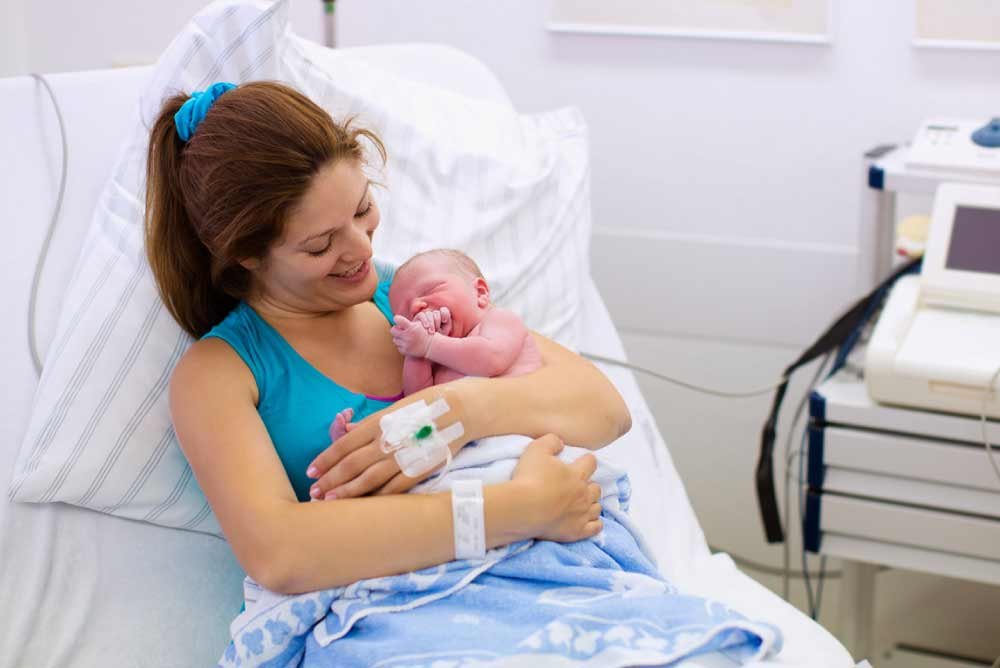
Welcoming a baby into the world is a beautiful and life-changing experience. However, the weeks following childbirth—known as the postnatal or postpartum period—are equally important for a mother’s recovery. During this time, a woman’s body undergoes physical healing, hormonal adjustments, and emotional changes. Proper postnatal care ensures a smooth recovery and helps new mothers regain strength, confidence, and overall well-being.
1. Understanding the Postnatal Period
The postnatal period usually lasts for about six weeks after delivery, though full recovery may take longer. Whether the delivery was normal or via cesarean section, the body needs time to heal. Hormone levels gradually return to normal, the uterus shrinks back to its pre-pregnancy size, and energy levels slowly improve.
Regular follow-ups with your doctor during this period are essential to monitor healing and overall health.
2. Physical Recovery and Rest
Rest is one of the most important aspects of postnatal care. New mothers often feel exhausted due to labor, lack of sleep, and constant baby care. Try to rest whenever the baby sleeps and avoid overexertion.
Some common physical changes include:
- Mild abdominal cramps (as the uterus contracts)
- Vaginal bleeding or discharge (lochia)
- Perineal discomfort after normal delivery
- Incision pain after a C-section
Follow your doctor’s advice regarding wound care, hygiene, and medications. Avoid lifting heavy objects and intense physical activity during the initial weeks.
3. Nutrition for Healing and Strength
A balanced and nutritious diet plays a vital role in recovery and breastfeeding.
Include:
- Protein-rich foods such as lentils, eggs, paneer, chicken, and fish
- Iron-rich foods like spinach, beetroot, jaggery, and dates
- Calcium sources including milk, curd, and sesame seeds
- Whole grains, fruits, and vegetables
- Plenty of fluids to stay hydrated
In many Indian households, traditional postnatal foods are given to promote recovery and improve digestion. However, it’s important to maintain a balanced diet rather than relying only on specific foods.
4. Emotional and Mental Well-Being
Hormonal changes after childbirth can lead to mood swings, irritability, and emotional sensitivity. “Baby blues” are common during the first one to two weeks and usually resolve on their own.
However, if a mother experiences persistent sadness, hopelessness, anxiety, loss of interest in daily activities, or difficulty bonding with the baby, it may be postpartum depression. In such cases, professional medical support is necessary. Emotional well-being is just as important as physical recovery.
Support from family members, open communication, and sharing responsibilities can greatly help during this phase.
5. Breastfeeding Care
Breastfeeding benefits both mother and baby. It provides essential nutrients to the newborn and helps the uterus contract faster.
Tips for smoother breastfeeding:
- Feed the baby every 2–3 hours initially
- Ensure proper latching to prevent nipple pain
- Stay hydrated and well-nourished
- Seek help from a lactation consultant if needed
If you experience severe breast pain, fever, or swelling, consult your doctor promptly.
6. Gentle Exercise and Self-Care
After medical approval, light physical activity can support recovery. Gentle walking improves circulation and boosts mood. Pelvic floor (Kegel) exercises help strengthen muscles weakened during pregnancy and childbirth.
Deep breathing, light stretching, and relaxation techniques can also reduce stress and improve overall well-being. Remember, self-care is not a luxury—it is a necessity for new mothers.
7. Warning Signs to Watch For
Seek immediate medical attention if you notice:
- Heavy bleeding or large clots
- High fever
- Severe abdominal or pelvic pain
- Foul-smelling discharge
- Persistent feelings of depression or anxiety
Early medical intervention can prevent complications and ensure a safe recovery.
Final Thoughts
The postnatal period is a time of healing, adjustment, and bonding. While caring for your newborn, do not neglect your own health. Proper rest, nutritious food, emotional support, and regular medical check-ups are the foundation of a healthy postpartum recovery.
Motherhood is a journey—taking care of yourself is the first step toward taking better care of your baby.
If you’d like, I can also optimize this blog for your women & child care website with SEO-friendly headings and location-based keywords.